
If you’re thinking about starting testosterone replacement therapy (TRT), it’s natural to wonder, does TRT raise blood pressure?
The short answer is: it can—but not always.
Some men experience a small increase, others don’t notice any change, and a few may even see improvements in their blood pressure over time.
The real answer depends on things like how your TRT is prescribed, how your body responds, and whether you’re being properly monitored.
Let’s break it all down in a way that actually makes sense—and more importantly, let’s talk about how we at BHRT Delivered help you stay safe and feel your best.
Quick Answer: Can TRT Affect Your Blood Pressure?
Yes, testosterone therapy may raise blood pressure in some men, but usually only a little.
On average, studies show a 3–8 mmHg increase in systolic blood pressure.
That’s not a huge spike, but it matters, especially if you already have high blood pressure or other heart risk factors.
That said, not every man experiences this.
Some see no change at all.
And when TRT is customized and well-monitored, you can often avoid issues before they start.
Why Testosterone Might Raise Blood Pressure
Let’s take a look at why testosterone may affect your blood pressure:
Red Blood Cell Count and Hematocrit
TRT tells your body to make more red blood cells, which helps carry oxygen and improves energy.
But more red blood cells also make your blood thicker.
That can increase resistance in your arteries and bump up your blood pressure.
If your hematocrit level gets too high, that’s when problems are more likely.
Water Retention from Estrogen Conversion
When testosterone gets too high, some of it can convert into estrogen.
That’s not always bad, but high estrogen can lead to fluid retention, which adds volume to your bloodstream and raises pressure.
This is more common with higher doses or fast-acting testosterone like injections.
Other Factors That Can Raise BP on TRT
TRT isn’t the only thing affecting your blood pressure.
If you have sleep apnea, carry extra weight, or are already at risk for high blood pressure, you might be more sensitive.
Also, different types of TRT affect your body differently.
Injections tend to spike your levels more than gels or pellets, which may cause more noticeable changes in blood pressure.
What the Research Says
One clinical trial published looked at men using TRT and found that their systolic blood pressure went up by about 6.2 mmHg.
That’s not extreme, but it’s worth paying attention to.
The men in the study were also on opioid medication, which might have influenced the results.
How to Monitor and Manage Blood Pressure on TRT
If you’re on TRT—or thinking about starting—you should keep an eye on your blood pressure.
Here’s what works:
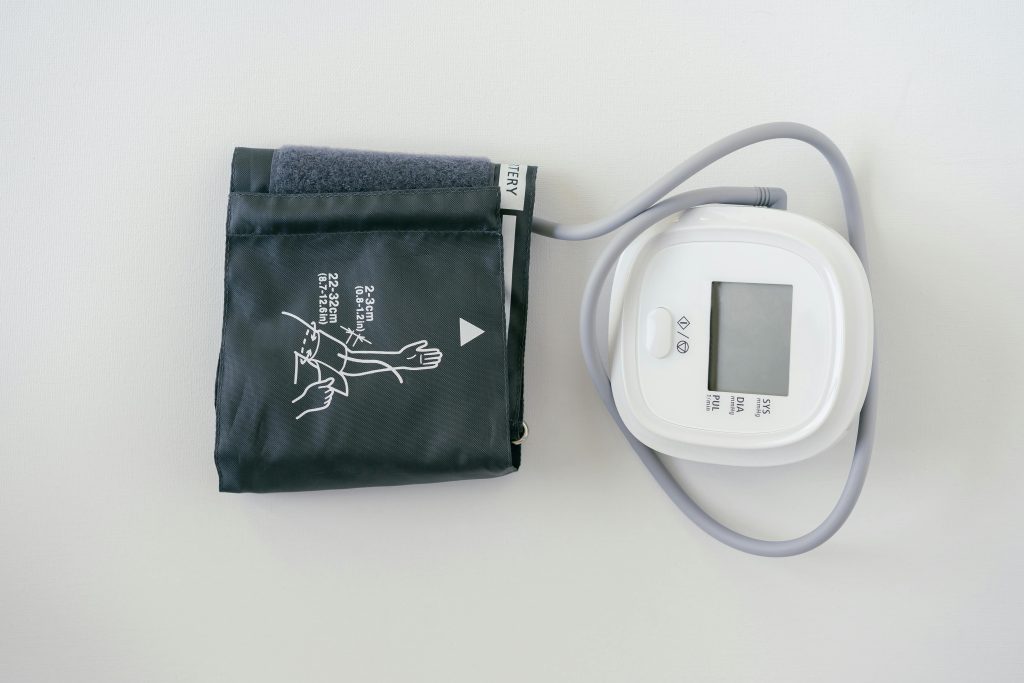
- Home monitoring: Take your readings at the same time each day, sitting calmly. It gives you a clearer picture than just going by doctor’s visits.
- Clinic checks: Still useful, especially early on.
- 24-hour ambulatory monitors: These give you the most accurate read, especially if you’re unsure how your blood pressure reacts to TRT.
Simple Lifestyle Habits That Help
You don’t need to overhaul your life, but a few smart changes can go a long way:
- Cut back on salt
- Get in some cardio a few times a week
- Lose extra weight, if needed
- Stay hydrated and manage stress
- Avoid overusing alcohol or stimulants
These not only support healthy blood pressure, they also make TRT more effective.
When It’s Time to Adjust Your Plan
If your blood pressure starts creeping up or you notice symptoms like headaches, dizziness, or tightness in your chest, talk to your provider.
You may need to:
- Lower your dose
- Switch to a different delivery method
- Donate blood if your hematocrit is too high
This doesn’t mean TRT has to stop, it just means it needs a tweak.
How We Help You Stay Safe at BHRT Delivered
At BHRT Delivered, we know that hormone therapy isn’t one-size-fits-all.
That’s why we customize your testosterone plan based on your body, symptoms, and goals.
- We monitor your blood pressure and bloodwork regularly, including hematocrit, so we can catch any issues early.
- We offer multiple forms of TRT—like injections, gels, and pellets—so you’re never locked into one method.
- We give you ongoing support to fine-tune your treatment, so you get the benefits of TRT without unnecessary side effects.
- We guide you on lifestyle, nutrition, and supplements that support both testosterone and heart health.
Our goal is simple: help you feel strong, focused, and energized, without compromising your health.
Final Thoughts: What You Should Know Before Starting TRT
So, does TRT raise blood pressure?
It might—but not for everyone.
And when it does, it’s usually manageable.
The key is personalized care, regular check-ins, and knowing what to watch for.
At BHRT Delivered, we don’t just treat low testosterone—we help you feel better and stay safe.
If you’re ready to explore TRT with the right plan and the right support, we’re here to help you take the next step.
FAQs: Does TRT Raise Blood Pressure?
How to lower blood pressure while on testosterone?
You can lower blood pressure while on testosterone by reducing sodium intake, exercising regularly, staying hydrated, avoiding high doses, and monitoring your hematocrit levels with your provider.
Does TRT help with weight loss?
Yes, TRT can help support weight loss by increasing lean muscle mass, improving energy levels, and boosting metabolism, especially in men with low testosterone.
Can TRT raise my blood pressure?
TRT can raise blood pressure in some men, often due to increased red blood cell production or water retention, but proper monitoring and dosing can help manage it.
What are the side effects of TRT?
Possible side effects include acne, mood changes, increased red blood cell count, fluid retention, hair loss, and changes in cholesterol or blood pressure.
Are TRT effects permanent?
TRT effects are not permanent. If therapy is stopped, testosterone levels typically return to baseline, and symptoms may come back unless addressed naturally or through other treatments.
Is it safe to be on TRT for life?
Many men stay on TRT long-term safely when treatment is individualized and well-monitored. Regular checkups and lab testing are key to maintaining long-term safety.
What is HRT vs TRT?
HRT, or hormone replacement therapy, is a broad term that refers to restoring hormone levels in both men and women, often for estrogen, progesterone, or testosterone. TRT, or testosterone replacement therapy, is a type of HRT specifically focused on boosting low testosterone levels in men.