If you thought acne was a thing of the past, menopause might surprise you.
Many women notice stubborn breakouts returning, or appearing for the first time, as hormones shift.
This is known as menopause acne, and it’s one of the most frustrating (and least talked about) changes that happen during this stage of life.
The good news?
With the right approach, balancing hormones with HRT, using gentle skincare, and choosing targeted treatments, you can calm those breakouts and restore healthy, radiant skin.
What Is Menopause Acne?
Menopause acne refers to breakouts that develop when estrogen levels drop and androgens (like testosterone) become more dominant.
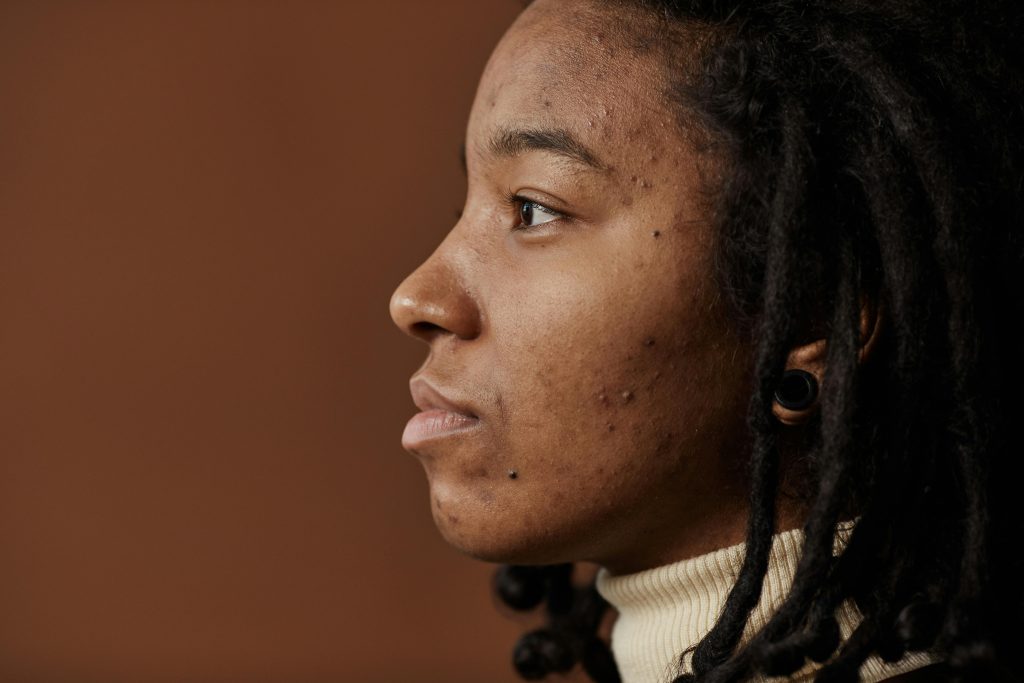
This hormonal shift causes your skin’s oil glands to work overtime, leading to clogged pores, inflammation, and cystic pimples, especially around the chin, jawline, and neck.
You might notice:
- Deep, tender pimples that don’t heal quickly
- Oily patches mixed with dry, flaky skin
- Breakouts that resist typical acne products
- Redness and irritation from harsh treatments
It’s not “just your imagination,” this is a real and well-documented hormonal response to menopause.
Can Menopause Cause Acne?
Yes, menopause can cause acne.
As estrogen declines, androgens become relatively stronger.
This imbalance increases oil production, leading to blocked pores and inflammation.
Combined with slower skin cell turnover, breakouts become more persistent and slower to heal.
Recent studies also suggest that changes in the skin’s microbiome and increased inflammation may worsen these flare-ups, making them different from typical teenage acne.
How Menopause Acne Differs From Teenage Acne
Here’s a quick look at how menopause acne compares to what you may have experienced earlier in life:
| Type | Typical Age | Common Cause | Where It Appears | Treatment Approach |
| Teen Acne | Teens–20s | High androgen surges | Forehead, nose, cheeks | Retinoids, antibiotics |
| Menopause Acne | 40s–60s | Low estrogen, relative androgen dominance | Chin, jawline, neck | BHRT, gentle skincare, anti-androgen therapy |
This structured pattern is one reason dermatologists recognize “menopausal acne” as a distinct condition.
Why Hormone Changes Trigger Acne During Menopause
The main culprit behind acne menopause is a shift in hormones, specifically, a decline in estrogen and a relative rise in androgens.
Here’s what happens beneath the surface:
- Estrogen drops, making skin thinner, drier, and less elastic
- Sebum glands respond to androgens, producing more oil
- Excess oil mixes with dead skin cells, clogging pores
- Inflammation and bacteria trigger painful, cystic acne
Certain medications, stress, diet, and even abrupt changes in hormone therapy can worsen the cycle.
What Menopause Acne Looks Like
Menopause and acne usually show up as:
- Deep, cystic bumps around the chin and jawline
- Red, inflamed nodules that last for weeks
- Breakouts coexisting with dryness or sensitivity
- Occasional blackheads or whiteheads along the mouth and neck
Because skin is thinner after menopause, it’s more reactive.
Treatments that worked years ago, like drying toners or harsh exfoliants, can now make matters worse.
The Best Treatments for Menopause Acne
Let’s look at some strategies for managing your menopause acne:
Simplify and Strengthen Your Skincare Routine
- Use a gentle, non-foaming cleanser twice daily
- Apply an oil-free moisturizer to protect the barrier
- Include a retinoid or retinol to increase cell turnover
- Always wear broad-spectrum SPF to prevent scarring and pigment issues
Avoid Over-Drying Ingredients
Overusing benzoyl peroxide, alcohol toners, or harsh acids can lead to irritation and rebound oiliness.
Instead, balance actives with hydrating ingredients like hyaluronic acid and ceramides.
Support Hormone Balance With BHRT
Since menopause acne stems from hormonal imbalance, restoring equilibrium often helps the skin naturally calm down.
Hormone replacement therapy (HRT) uses hormones identical to those your body produces, helping to rebalance estrogen and progesterone levels while reducing excess androgen activity.
When done correctly, HRT can:
- Decrease sebum (oil) production
- Improve skin elasticity and hydration
- Reduce inflammation
- Support collagen for firmer, smoother skin
Because every woman’s hormone profile is different, personalized BHRT under medical guidance is key.
Medical Treatments for Stubborn Acne
If your breakouts don’t respond to skincare alone, your provider may suggest:
- Topical retinoids (tretinoin, adapalene)
- Azelaic acid for redness and sensitivity
- Oral spironolactone to block androgen effects
- Short-term antibiotics for inflammation control
- Light or laser therapy for deep cysts or scarring
Always discuss your hormone therapy regimen with your provider before starting new medications.
Natural Ways to Help Calm Menopause Acne
Lifestyle choices can make a real difference in how your skin behaves.
Try these natural support strategies:
- Eat a low-glycemic, anti-inflammatory diet rich in greens, omega-3s, and lean protein
- Limit sugar, dairy, and processed foods, all can raise insulin and androgen activity
- Manage stress through yoga, meditation, or gentle exercise
- Get 7–8 hours of sleep to regulate cortisol
- Drink plenty of water for healthy hydration
- Keep pillowcases, phone screens, and makeup brushes clean to avoid bacteria buildup
When to See a Provider
If your acne is painful, scarring, or not improving after a few months, it’s time to see a specialist.
Persistent acne during menopause can sometimes mimic rosacea or perioral dermatitis, so professional evaluation is essential.
A hormone-literate provider can run lab tests to assess your estrogen, progesterone, and testosterone levels, and create a BHRT plan that supports both your skin and overall well-being.
Key Takeaways
- Menopause acne is caused by hormonal imbalance, less estrogen and more androgen activity
- It typically affects the chin, jawline, and neck, with deeper, slower-healing pimples
- Skincare, stress control, diet, and hormonal support with BHRT can make a lasting difference
- Personalized care and patience are key, clear skin is still achievable after menopause
How BHRT Delivered Can Help With Menopause Acne
At BHRT Delivered, we specialize in hormone replacement therapy designed to rebalance hormones naturally and safely.
Our providers create personalized treatment plans that not only support overall well-being but also improve skin health, hydration, and clarity.
FAQs
How do you treat menopause acne?
Menopause acne is best treated by addressing both the skin and the hormones. A gentle skincare routine with non-comedogenic products, topical retinoids, and moisturizers helps manage breakouts. For deeper hormonal causes, treatments like HRT (hormone replacement therapy) can balance estrogen and progesterone levels, reducing oil production and inflammation.
How long does post-menopausal acne last?
The duration varies, but post-menopausal acne can last several months to a few years, depending on hormone balance and lifestyle factors. Once hormone levels stabilize, naturally or through HRT, breakouts often decrease significantly or stop altogether.
What does menopause acne look like?
Menopause acne usually appears as deep, painful bumps or cysts along the chin, jawline, and neck. These pimples often linger longer than typical acne and can coexist with dry or sensitive skin due to estrogen decline.
Why is my chin breaking out after menopause?
Chin breakouts after menopause are caused by a drop in estrogen and a relative rise in androgens like testosterone. This shift increases oil gland activity, especially in the lower face, leading to clogged pores and inflammation around the chin and jawline.
Can menopause cause acne?
Yes. Menopause can cause acne because estrogen levels fall, allowing androgens to stimulate excess oil production. This change, combined with slower skin cell turnover and inflammation, makes menopausal skin more prone to breakouts.
How to tell if acne is hormonal or bacterial?
Hormonal acne tends to appear around the chin, jawline, and neck and often flares with hormonal changes. It’s usually deep, cystic, and tender. Bacterial acne, on the other hand, involves surface-level pustules and whiteheads spread across the face. A provider can confirm the cause and guide treatment accordingly.
Why am I getting acne in my 50s?
Getting acne in your 50s is common because hormonal fluctuations don’t stop with menopause. Lower estrogen and higher androgen levels can still affect oil production. Stress, diet, skincare products, and certain medications can also trigger or worsen breakouts during this stage of life.