If you’re exploring ways to improve energy, muscle growth, recovery, or overall hormone balance, you’ve probably come across the idea of combining TRT and peptides.
Many men want to know whether these therapies can be used together, how they work in the body, and what kind of results they can expect.
Here’s what you’ll learn:
- What TRT does and how it affects the body
- How peptide therapy works and why they complement testosterone therapy
- The best peptide stacks to use with TRT
- Safety guidelines, benefits, and what to expect
- How BHRT Delivered helps you navigate both therapies safely
This guide breaks everything down in simple ways so you can make confident decisions and understand how TRT and peptides work together.
SEE HOW PEPTIDE THERAPY OR TRT CAN HELP YOU
What TRT Does in the Body
Testosterone Replacement Therapy (TRT) restores testosterone levels when the body isn’t producing enough.
Low testosterone can lead to:
- Low energy
- Muscle loss
- Weight gain
- Low libido
- Mood changes
- Poor recovery
- Declining motivation
TRT supports healthier androgen levels, which can help you experience:
- Improved strength
- Increased lean muscle
- Better mental clarity
- A more stable mood
- Higher energy
- Enhanced sexual function
It’s extremely effective for hormone balance, but testosterone alone doesn’t influence growth hormone, tissue repair, metabolic peptides, or recovery pathways.
That’s where peptides play a different and complementary role.
What Peptides Do (and Why They Work Well With TRT)
Peptides are short chains of amino acids that act as targeted messengers.
Instead of replacing hormones, they help signal your body to produce or release specific compounds naturally.
Different peptides help support:
- Growth hormone release
- Fat loss and metabolic balance
- Muscle repair and recovery
- Sleep quality
- Libido
- Tissue healing
- Cognitive function
Peptides and TRT do not overlap, they support different pathways, which is why combining them often leads to more well-rounded results.
Why TRT Alone Isn’t Always Enough
Some men feel better on TRT but still struggle with:
- Belly fat
- Low recovery
- Poor sleep
- Decreased stamina
- Slow muscle growth
- Joint discomfort
- Midday energy crashes
This is because testosterone is only one part of the hormonal picture.
Peptides help fill those gaps by supporting growth hormone, metabolic regulation, tissue repair, and cellular signaling.
This is why TRT peptide protocols have become increasingly common.
Can You Combine TRT and Peptides?
Yes.
Using TRT and peptides together is safe and very common when done under medical supervision.
They work on different hormone systems, and the combination can provide more noticeable improvements in:
- Strength
- Body composition
- Energy
- Libido
- Sleep
- Recovery
- Overall vitality
This approach is often referred to as a peptide stack with TRT or a testosterone and peptide therapy protocol.
Benefits of Stacking TRT and Peptides
Let’s take a look at some of the benefits of stacking testosterone and peptides:
1. Lean Muscle Growth
TRT boosts androgen levels, while peptides like CJC-1295 and Ipamorelin support natural growth hormone release.
Together, they can help improve strength, lean mass, and workout recovery.
2. Better Fat Loss
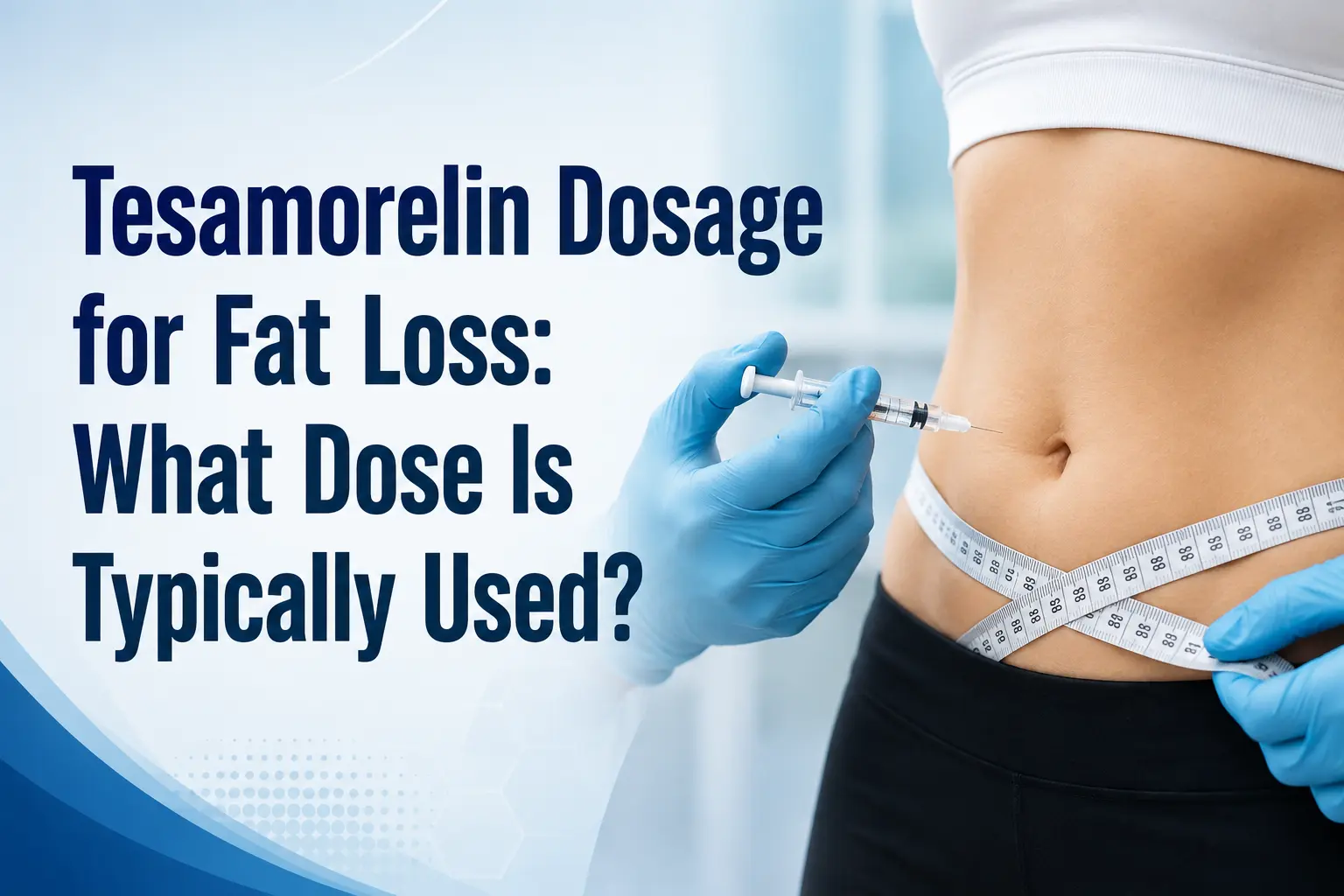
Metabolic peptides like Tirzepatide, Semaglutide, or Tesamorelin help regulate appetite, support fat breakdown, and target stubborn abdominal fat, results many men don’t achieve with TRT alone.
3. Enhanced Recovery and Joint Support
BPC-157 is widely used for tissue repair, joint comfort, and recovery from training or injury.
4. More Stable Mood and Energy
Testosterone supports mental drive and motivation.
Peptides help regulate sleep, stress response, and growth hormone rhythms.
5. Anti-Aging Support
Growth-hormone–related peptides may help with sleep quality, cognitive function, skin health, and overall vitality.
Best Peptides to Take With TRT
Here are the most commonly combined peptides used alongside testosterone therapy.
CJC-1295 and Testosterone
Supports natural growth hormone release and can help with:
- Fat loss
- Muscle gain
- Deeper sleep
- Recovery
Ipamorelin and Testosterone
Works well with CJC-1295 to:
- Support GH pulses
- Improve recovery
- Promote fat breakdown
CJC-1295 + Ipamorelin Stack with Testosterone
One of the most popular TRT peptide stacks.
Great for:
- Strength improvements
- Body recomposition
- Recovery
- Restorative sleep
BPC-157 and Testosterone
A regenerative peptide used for:
- Soft tissue repair
- Muscle and joint recovery
- Gut health
- Faster healing after training
Tesamorelin and Testosterone
Targets visceral fat and supports GH release.
Often chosen by men wanting to address abdominal fat that doesn’t respond to TRT alone.
Tirzepatide or Semaglutide with Testosterone
Metabolic peptides that help with:
- Appetite control
- Blood sugar regulation
- Fat loss
- Sustainable weight management
These pair extremely well with TRT for men looking to lean out and improve metabolic health.
Is It Safe to Use TRT and Peptides Together?
Most people tolerate TRT + peptide therapy well under medical supervision.
Because these therapies influence hormones, metabolism, and growth hormone pathways, oversight is important.
Important Safety Considerations
- Regular blood work is essential
- Metabolic peptides may affect blood sugar
- GH-related peptides may cause water retention
- Those with untreated sleep apnea, uncontrolled diabetes, or elevated hematocrit may require adjustments or monitoring
- Proper dosing and timing matter
- Therapy should be tailored to your goals, age, lifestyle, and health history
Working with a provider ensures safe and effective use of both testosterone and peptide therapy.
How BHRT Delivered Supports Your TRT and Peptide Protocol
BHRT Delivered offers a convenient telehealth experience that makes accessing hormone therapy and peptide therapy easier and more personalized.
You receive:
- One-on-one provider guidance
- Customized TRT and peptide protocols
- Ongoing monitoring and adjustments
- Education to help you understand exactly how to use your stack
This gives you a safe, structured, and accessible way to optimize your health from home.
Ready to Explore TRT and Peptide Therapy?
BHRT Delivered offers personalized hormone and peptide programs designed to support your specific goals, whether that’s more energy, better recovery, leaner body composition, or improved overall wellness.
You can get expert guidance, comprehensive support, and convenient at-home delivery to help you feel your best.
FAQs: TRT and Peptides
What to avoid while on TRT?
While on TRT, it’s best to avoid smoking, excessive alcohol, overtraining, and taking supplements or medications that may interfere with hormones without medical guidance. You should also avoid skipping labs or dose adjustments, since monitoring is essential for safe and effective treatment.
Do peptides increase your testosterone?
Most peptides do not directly increase testosterone. Instead, they work on other pathways like growth hormone release, fat metabolism, recovery, or tissue repair. Peptides are often combined with TRT because they complement, rather than replace, testosterone therapy.
How do I maximize my TRT results?
To make the most of TRT, maintain consistent dosing, follow your lab schedule, get regular exercise, prioritize sleep, manage stress, and eat a balanced diet. Combining TRT with peptides, when appropriate, can also support better energy, recovery, and body composition.
Can I take BPC-157 with TRT?
Yes. BPC-157 is commonly paired with TRT because it supports tissue repair, joint comfort, gut health, and recovery without affecting testosterone levels directly. Many men use BPC-157 to improve healing and workout performance alongside TRT.
Can I take tirzepatide and testosterone?
Yes. Tirzepatide can be used with TRT, especially for men focusing on fat loss, appetite control, and metabolic balance. Because they work on different pathways, the combination is common and generally well-tolerated when monitored by a provider. Studies show that tirzepatide alone can result in significant weight loss.
What is HRT vs TRT?
HRT (Hormone Replacement Therapy) refers to restoring multiple hormones, such as testosterone, estrogen, progesterone, and others. TRT (Testosterone Replacement Therapy) is specific to testosterone alone. HRT is broader, while TRT focuses solely on improving low testosterone.