

One of the primary benefits of Semaglutide is its ability to help regulate blood sugar levels. By enhancing insulin secretion and reducing glucagon release, Semaglutide helps maintain stable glucose levels, making it an effective treatment for individuals with type 2 diabetes.
Semaglutide has been found to promote significant weight loss. It works by reducing appetite and slowing stomach emptying, which helps individuals feel fuller for longer periods. This dual action makes it an excellent option for those struggling with obesity or weight management issues.
Studies have shown that Semaglutide can reduce the risk of cardiovascular events such as heart attacks and strokes. This is particularly beneficial for individuals with type 2 diabetes, who are at a higher risk of cardiovascular complications.
Beyond blood sugar control and weight loss, Semaglutide has been shown to improve various markers of metabolic health, including cholesterol levels and blood pressure. This comprehensive approach to metabolic health makes it a valuable option for individuals seeking to improve their overall well-being.
Semaglutide is primarily prescribed for individuals with type 2 diabetes who have not achieved adequate blood sugar control with other medications. Its ability to regulate blood sugar levels and promote weight loss makes it a valuable addition to diabetes management plans.
For individuals struggling with obesity, Semaglutide offers a promising solution. Its appetite-suppressing effects and ability to promote weight loss make it an effective option for those looking to achieve and maintain a healthy weight.
Individuals with type 2 diabetes who are at a higher risk of cardiovascular events may benefit from Semaglutide’s cardiovascular protective effects. Its ability to reduce the risk of heart attacks and strokes makes it a valuable option for improving long-term health outcomes.

Semaglutide is primarily used to manage type 2 diabetes by regulating blood sugar levels and improving overall metabolic health.
For individuals struggling with obesity, Semaglutide can aid in weight loss and help achieve and maintain a healthy weight.
Semaglutide has been shown to reduce the risk of cardiovascular events, making it a valuable option for individuals at higher risk of heart attacks and strokes.
Before considering Semaglutide treatment, it is essential to focus on maintaining a healthy diet. Incorporating whole foods, reducing sugar intake, and avoiding processed foods can help manage blood sugar levels and promote weight loss.
Engaging in regular physical activity is crucial for managing blood sugar levels and promoting overall health. Aim for at least 150 minutes of moderate-intensity exercise per week, such as brisk walking, swimming, or cycling.
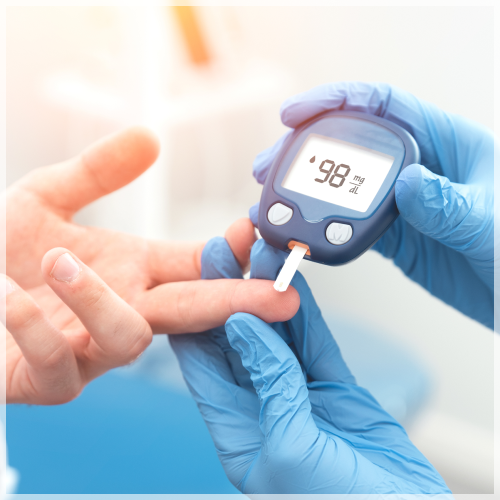
For individuals with type 2 diabetes, regularly monitoring blood sugar levels is essential for managing the condition. Keeping track of blood sugar levels can help identify patterns and make necessary adjustments to diet and medication.
For those struggling with obesity, focusing on weight management through a combination of healthy eating and regular exercise can be beneficial. Setting realistic weight loss goals and tracking progress can help achieve and maintain a healthy weight.

At BHRT Delivered, we take a personalized approach to determine if Semaglutide treatment is right for you. Our process includes the following steps:
We begin with a comprehensive health assessment to understand your medical history, current health status, and specific health goals. This assessment helps us determine if Semaglutide is a suitable option for you.
We conduct blood tests and other diagnostic evaluations to assess your blood sugar levels, metabolic health, and overall well-being. These tests provide valuable insights into your health status and help us tailor the treatment plan to your unique needs.
Based on the assessment and diagnostic results, we develop a personalized treatment plan that aligns with your health goals. Our concierge-style approach ensures that the treatment plan is meticulously designed to meet your specific needs.
Once the treatment plan is in place, we provide ongoing monitoring and support to ensure optimal outcomes. Regular follow-up appointments, blood tests, and adjustments to the treatment plan are part of our commitment to your health and well-being.