
Testosterone replacement therapy is a prescription treatment that restores testosterone in men whose levels are low enough to cause symptoms. BHRT Delivered provides TRT to Florida residents online and in person at our Palm Beach County clinic: a consultation, blood tests, a plan written by a Florida-licensed provider, and treatment by injection or pellets.
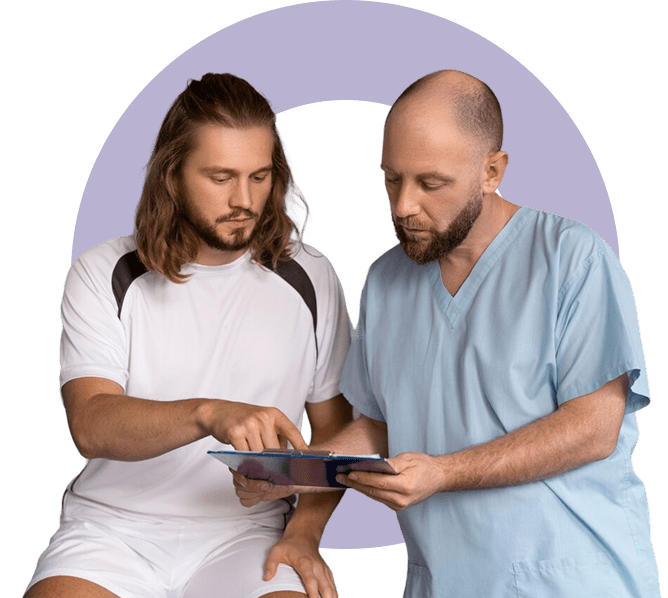

TRT is for men who have both of these:
Symptoms of low testosterone, such as low sex drive, erectile problems, fatigue, low mood, or loss of muscle and strength.
Blood tests that confirm it. Medical guidelines call for two separate morning tests showing low total testosterone, generally below about 300 ng/dL.
Symptoms alone are not enough, because the same symptoms can come from poor sleep, thyroid problems, depression, or medications. That is why we test before we treat.
Learn who may benefit from TRT, when treatment may not be appropriate, and what results you can realistically expect.
TRT is for men who have both of these: Symptoms of low testosterone, such as low sex drive, erectile problems, fatigue, low mood, or loss of muscle and strength. Blood tests that confirm it. Medical guidelines call for two separate morning tests showing low total testosterone, generally below about 300 ng/dL. Symptoms alone are not enough, because the same symptoms can come from poor sleep, thyroid problems, depression, or medications. That is why we test before we treat.
TRT is not right for everyone. Your provider will usually advise against it if you: Are trying to have children in the near future. TRT lowers sperm production. Have prostate cancer or breast cancer. Have a high red blood cell count (hematocrit). Have severe sleep apnea that is not being treated. Have uncontrolled heart failure, or had a heart attack or stroke in the last six months. If fertility matters to you, ask about alternatives such as enclomiphene or hCG.
In men with confirmed low testosterone, treatment commonly improves: Sex drive and sexual function Energy and mood Lean muscle mass and strength Bone density Anemia linked to low testosterone The size of these changes varies from person to person. TRT is not a weight-loss drug or an anti-aging treatment, and it does not help men whose testosterone is already normal.
Free 15-minute phone consultation. We talk through your symptoms and history.
Lab testing. You choose where: at our clinic, at a Quest Diagnostics location near you, or with a mobile phlebotomist who comes to your home or office. We check total and free testosterone, blood count, PSA, estradiol and related hormones.
Your plan. A Florida-licensed provider reviews your results with you and prescribes only if treatment is appropriate.
Treatment. Injections ship to your Florida address. Pellets are placed at our clinic.
Follow-up. We retest at 90 days and at 6 months, then every 12 months. We adjust your dose based on results and symptoms.

Testosterone cypionate injections. You inject these yourself, usually once or twice a week. The dose is easy to adjust.
Bioidentical hormone pellets. Small pellets placed under the skin of the hip in a short visit to our clinic. They release testosterone steadily for several months. Our pellets are compounded by FarmaKeio and EVEXIAS. Once placed, the dose cannot be changed until the pellets wear off, and there is a small risk of infection or a pellet working its way out.

| Change | Typical Timing |
|---|---|
| Sex drive | 3 to 6 weeks |
| Mood and energy | 3 to 6 weeks |
| Muscle and body fat | 3 to 4 months |
| Bone density | 6 months or longer |

Possible side effects include acne or oily skin, fluid retention, breast tenderness, smaller testicles, reduced fertility, and a rise in red blood cell count. TRT can worsen untreated sleep apnea.
A large 2023 trial (TRAVERSE) found that TRT did not increase heart attacks or strokes in men with low testosterone, but it did find slightly more cases of irregular heartbeat, blood clots in the lung and kidney injury. Regular blood tests are how we catch problems early.
Increase Protein Intake:
Protein-rich foods can help maintain muscle mass and support hormone production.
Consume Healthy Fats:
Healthy fats, such as those found in avocados and nuts, are essential for hormone production.
Limit Sugar and Processed Foods:
Reducing sugar and processed foods can help maintain a healthy weight and support hormone balance.
Strength Training:
Resistance exercises, such as weightlifting, can help increase testosterone levels.
High-Intensity Interval Training (HIIT):
Healthy fats, such as those found HIIT workouts are effective for boosting testosterone and improving overall fitness.
Prioritize Quality Sleep:
Aim for 7-9 hours of quality sleep per night, as poor sleep can negatively impact testosterone levels.
Practice Relaxation Techniques:
Techniques such as meditation, deep breathing, and yoga can help reduce stress and support hormone balance.
Your first step is a free 15-minute phone consultation. There is no charge and no obligation.
If you decide to go ahead
Monthly membership
TRT is $350 per month, whether you choose injections or pellets. That covers:
Membership is month to month. There is no minimum commitment, and you can cancel at any time.
We do not accept insurance for memberships. We accept HSA and FSA cards, and financing is available.
Testosterone is a controlled medication. It requires a prescription from a provider licensed in Florida.
We treat adults who live in Florida.
Pellet placement and in-person lab draws take place at our clinic in Palm Beach County.
American Urological Association. Evaluation and Management of Testosterone Deficiency (guideline).
Endocrine Society. Testosterone Therapy in Men With Hypogonadism: Clinical Practice Guideline (2018).
Lincoff AM, et al. Cardiovascular Safety of Testosterone-Replacement Therapy (TRAVERSE). New England Journal of Medicine, 2023.
Saad F, et al. Onset of effects of testosterone treatment and time span until maximum effects are achieved. European Journal of Endocrinology, 2011.