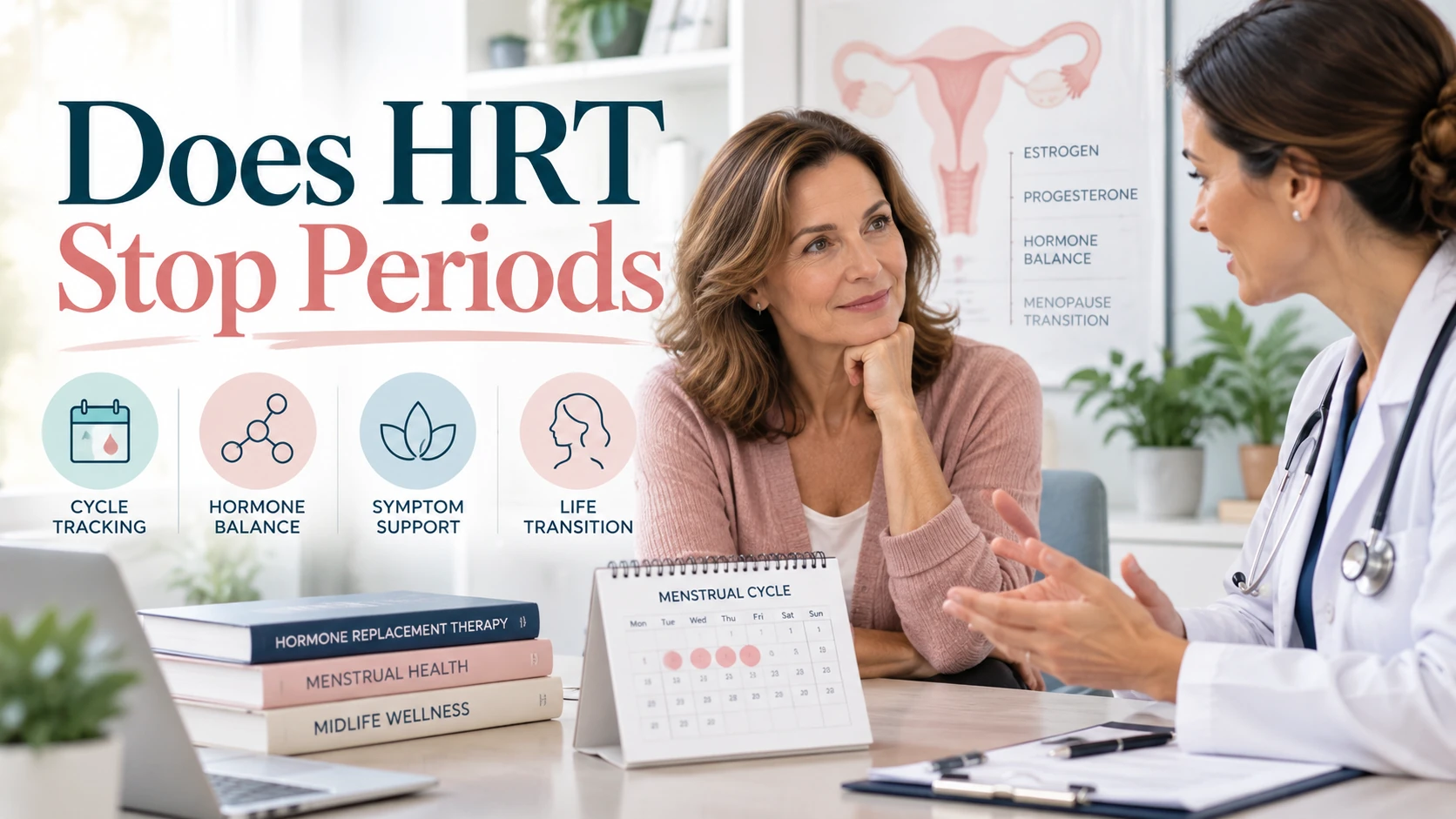
If you’re on hormone replacement therapy (HRT) and thinking about stopping, you might be wondering: will the weight come off once I quit?
It’s a common question, but the short answer is no, stopping HRT by itself won’t cause weight loss.
Weight changes during midlife are far more influenced by age, menopause, and lifestyle than whether or not you’re on hormones.
Let’s break down what the research says, why the scale doesn’t suddenly shift after stopping HRT, and what actually works if your goal is to lose weight.
What the Research Says About Stopping HRT and Weight
Research shows HRT doesn’t directly cause weight gain or loss.
A 2023 systematic review found hormone therapy is unlikely to change body weight significantly.
What’s more common is bloating or water retention when starting therapy, which may improve after stopping, but that isn’t true fat loss.
Will I Lose Weight After Stopping HRT? Why It’s Not Automatic
Many people assume quitting HRT resets the body, but here’s why weight loss doesn’t happen automatically:
- Slower metabolism comes with age, regardless of hormone therapy.
- Muscle mass declines, lowering calorie burn.
- Menopause changes fat distribution, often leading to belly fat.
- Hormone fluctuations affect sleep and hunger, increasing cravings.
HRT may influence where fat sits, but stopping it doesn’t reverse the natural effects of aging or menopause.
HRT and Fat Redistribution During Menopause
Estrogen plays a role in fat storage.
For HRT for women, some patients maintain a more “pear-shaped” body, with weight around the hips and thighs.
Without hormones, fat often shifts to the abdomen, increasing visceral fat.
That’s why body shape changes are common after menopause and why stopping HRT won’t automatically slim your waistline.
How to Lose Weight After Stopping HRT
If your goal is weight loss after HRT, the focus should be on long-term lifestyle strategies, not simply discontinuing hormones.
Evidence-backed approaches include:
- Eat more protein to preserve muscle and boost metabolism.
- Strength train 2–3 times per week to slow muscle loss.
- Stay active daily, aiming for 7–10k steps plus cardio.
- Prioritize sleep and stress control since cortisol affects belly fat.
- Follow a Mediterranean-style diet rich in lean proteins, vegetables, healthy fats, and whole grains.
These habits target the real drivers of midlife weight gain.
New Options: Beyond Lifestyle Alone
Some women find weight still feels stuck despite healthy changes.
In those cases, new medications like GLP-1s (semaglutide or tirzepatide) may help when combined with HRT or after stopping it.
These treatments support appetite control and metabolism, but they should be discussed with a provider to see if they’re appropriate.
SEE WHICH OPTION IS RIGHT FOR YOUR WEIGHT LOSS
When to Talk to a Doctor
Rapid or unexplained weight gain after stopping HRT may signal something else, like thyroid problems, insulin resistance, or other metabolic issues.
A provider can run lab tests, adjust your hormone plan, or recommend additional treatments.
Key Takeaways
Here are some of the main points to the relationship with HRT and weight loss:
- Stopping HRT won’t make you lose weight.
- Weight gain is more about menopause and aging than hormone therapy.
- Lifestyle changes are the key to lasting results.
- Medical support can help if weight gain feels out of control.
At BHRT Delivered, we help you understand how hormone therapy fits into your overall health and guide you through safe, personalized options if you’re worried about weight changes.
Conclusion: Will I Lose Weight If I Stop HRT
If you’re asking, “Will I lose weight if I stop HRT?”
The evidence is clear, weight loss doesn’t happen just by discontinuing hormone therapy.
Menopause, aging, and lifestyle play much bigger roles in how your body stores fat and how easily you can lose it.
The good news is that with the right nutrition, strength training, stress management, and medical support, you can take control of your weight and overall health, whether you stay on HRT or not.
FAQs: Will I Lose Weight If I Stop HRT
Has anyone lost weight after stopping HRT?
Some people notice small changes in weight after coming off HRT, but research shows this is usually due to lifestyle shifts or fluid changes, not true fat loss. Stopping HRT alone isn’t a reliable way to lose weight.
How long does it take to lose weight after HRT?
There’s no set timeline because weight loss depends on diet, exercise, metabolism, and age—not whether you’re on HRT. Most people need consistent lifestyle changes over months to see results.
Why am I gaining weight on HRT?
HRT doesn’t usually cause significant weight gain, but it can lead to temporary bloating or fluid retention. Midlife weight gain is more often tied to aging, menopause, and reduced metabolism.
Does HRT cause belly fat?
HRT itself doesn’t cause belly fat. In fact, estrogen may help prevent abdominal fat gain by redistributing weight more evenly. Belly fat in menopause is more related to hormonal decline and age.
Is it hard to lose weight with no estrogen?
Yes, it can be more challenging because lower estrogen levels affect metabolism, fat storage, sleep, and appetite. That’s why lifestyle changes like strength training and high-protein diets are especially important.
What happens to your body when you come off HRT?
When you stop HRT, menopausal symptoms like hot flashes, night sweats, and mood swings may return. Weight usually doesn’t drop just from stopping, but bloating may improve.
What is HRT vs TRT?
HRT, or hormone replacement therapy, is typically used to replace estrogen and progesterone in women during and after menopause. TRT, or testosterone replacement therapy, is used to treat low testosterone, often in men but sometimes in women too.