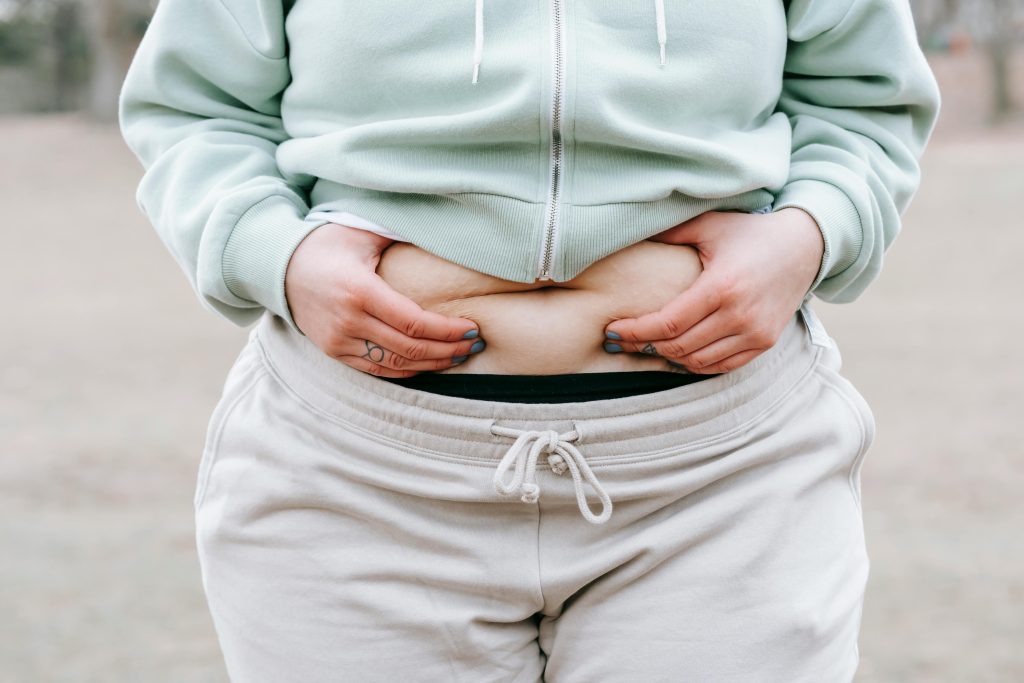
Perimenopause bloating happens when fluctuating estrogen and progesterone slow digestion, alter gut bacteria, and cause water retention, leading to that familiar fullness and swelling.
If you’re feeling puffy, gassy, or like your stomach “inflates” for no reason, you’re not alone.
Bloating during perimenopause is incredibly common, and it’s often one of the first signs that your hormones are changing.
Here’s what’s happening, how to find relief, and how hormone therapy (HRT) can help restore balance.
SEE HOW HRT CAN HELP YOUR PERIMENOPAUSE SYMPTOMS
What Is Perimenopause Bloating?
Perimenopause is the transition period before menopause when hormone levels rise and fall unpredictably.
These fluctuations can affect your digestion, water balance, and even your gut bacteria.
Perimenopause bloating often feels like:
- Tightness, fullness, or visible swelling in the abdomen
- Gas or discomfort that worsens after meals
- A sense of heaviness or puffiness, even without overeating
Unlike bloating caused by salty foods or overeating, this type of bloating is hormone-related and can come and go throughout your cycle.
Why Does Bloating Happen in Perimenopause?
There’s more than one cause behind hormonal bloating, it’s the result of several interconnected changes happening in your body.
Hormonal Fluctuations
Estrogen and progesterone play a major role in how your digestive system works.
When estrogen spikes, your body retains more water and sodium.
When progesterone drops, digestion slows, leading to constipation and trapped gas.
Together, these shifts can cause that uncomfortable bloated feeling.
Changes in Gut Health
Estrogen helps maintain a healthy gut microbiome.
During perimenopause, when estrogen levels fluctuate, the balance of good and bad gut bacteria changes too.
This can cause increased gas, inflammation, and digestive irregularity.
Slower Digestion and Metabolism
Hormonal changes can reduce gut motility, the natural wave-like movement that pushes food through your intestines.
When food lingers too long, it ferments, producing gas and abdominal pressure.
Water Retention
Studies show that fluctuating estrogen levels can cause your body to hold onto more water, especially around your belly.
This can make you feel heavier or look swollen even if your actual weight hasn’t changed.
Stress and Cortisol
High stress levels elevate cortisol, a hormone that can slow digestion, increase inflammation, and cause you to retain more fluid.
Stress also leads many people to swallow air or eat faster, both of which contribute to bloating.
Perimenopause Bloating vs. Weight Gain
Bloating and weight gain feel similar, but they’re different.
Here’s how to tell the difference:
| Bloating | Weight Gain |
| Comes and goes throughout the day | Builds up gradually |
| Feels like pressure or tightness | Feels thicker or heavier all over |
| Often worse after meals or hormonal changes | Unrelated to eating patterns |
| Linked to gas, digestion, or water retention | Linked to fat accumulation |
If your bloating is constant, painful, or accompanied by new digestive issues, it’s best to see a healthcare provider to rule out IBS, SIBO, or other conditions.
How to Relieve Perimenopause Bloating Naturally
You can reduce bloating during perimenopause with a few consistent habits that target digestion, gut health, and hormone balance.
Eat Smaller, More Frequent Meals
Large meals can slow digestion and cause your stomach to expand.
Eating smaller portions throughout the day helps your digestive system work more efficiently.
Limit Common Triggers
Avoid or reduce:
- Carbonated drinks
- High-salt or ultra-processed foods
- Cruciferous vegetables like broccoli, cauliflower, and cabbage
- Artificial sweeteners such as sorbitol or xylitol
Keeping a food and symptom journal can help you spot what makes your bloating worse.
Support Gut Health
A balanced gut supports smoother digestion and less bloating.
Try adding:
- Probiotics from yogurt, kefir, kimchi, or sauerkraut
- Prebiotics like garlic, onions, oats, and asparagus
- Fiber from fruits, vegetables, and whole grains (increase gradually)
If you experience frequent bloating, a probiotic or digestive enzyme supplement may help, just check with your provider first.
Stay Active
Exercise helps reduce bloating by improving circulation and digestion.
Activities like walking, yoga, and light strength training keep your gut moving and reduce water retention.
Stay Hydrated
It may seem counterintuitive, but drinking enough water helps your body release excess sodium and fluid.
Aim for consistent hydration throughout the day.
Manage Stress
Stress increases cortisol, which slows digestion and can worsen bloating.
Deep breathing, meditation, and mindful eating are simple ways to keep stress in check.
How HRT Helps with Perimenopause Bloating
If diet and lifestyle adjustments aren’t enough, your hormones might need additional support.
That’s where hormone replacement therapy (HRT) can help.
Since perimenopause bloating often stems from hormone imbalance, HRT works by restoring balance to your estrogen and progesterone levels.
This can help:
- Reduce water retention and puffiness
- Improve digestion and gut motility
- Stabilize mood and energy
- Alleviate other symptoms like irregular cycles and sleep issues
Why Choose BHRT Delivered
BHRT Delivered offers a simple, convenient way to balance your hormones from home.
You’ll:
- Complete an easy online consultation with a licensed provider
- Receive a customized hormone plan shipped directly to your door
- Get ongoing support as your body adjusts
Balancing your hormones through HRT can make a significant difference, not just for bloating, but for your overall well-being.
Learn more about how BHRT Delivered’s personalized hormone therapy can help you regain balance naturally.
When to See a Provider
You should talk to your healthcare provider if:
- Bloating is persistent or painful
- You notice sudden abdominal swelling
- You experience unexplained weight loss or bowel changes
- Lifestyle changes aren’t helping
A medical evaluation can rule out digestive conditions and determine if hormonal imbalance or something else is to blame.
The Bottom Line
Perimenopause bloating is a normal but uncomfortable symptom of hormonal shifts.
The combination of slower digestion, water retention, and gut changes can make you feel heavy and sluggish, but relief is possible.
By improving your diet, managing stress, supporting your gut, and rebalancing hormones through BHRT Delivered, you can reduce bloating, feel lighter, and restore comfort to your daily life.
FAQs: Perimenopause Bloating
How do you get rid of perimenopause bloating?
You can reduce perimenopause bloating by eating smaller meals, limiting high-salt or processed foods, drinking more water, managing stress, and staying active. Supporting gut health with probiotics and balancing hormones through BHRT can also help relieve bloating at its root.
What does perimenopause bloating feel like?
Perimenopause bloating often feels like tightness, fullness, or visible swelling in your abdomen. It can fluctuate throughout the day and is sometimes accompanied by gas or mild cramping. Unlike weight gain, bloating tends to come and go.
What is perimenopause belly?
A “perimenopause belly” refers to abdominal bloating or fat that appears as hormone levels change. Estrogen fluctuations can cause both water retention and a shift in how your body stores fat, making your midsection feel fuller or rounder.
How do I know if I’m perimenopausal?
You may be entering perimenopause if you notice irregular menstrual cycles, hot flashes, sleep problems, mood changes, or bloating. A healthcare provider can confirm it through symptoms and hormone testing.
Is bloating normal during perimenopause?
Yes. Bloating is a common symptom during perimenopause due to hormone fluctuations that affect digestion, water balance, and gut bacteria. It’s often temporary and improves with hormone support and dietary changes.
How long does perimenopause bloating last?
The duration varies. Some women experience it occasionally, while others deal with it more often during the transition years. Once hormone levels stabilize, especially with BHRT, bloating typically becomes less frequent.
Is perimenopause bloating different from menopause bloating?
Yes. During perimenopause, bloating tends to be unpredictable because hormones fluctuate daily. After menopause, hormone levels are more stable, and bloating often lessens or has other causes such as diet or digestion.
Why am I gaining weight on HRT?
Weight gain during HRT can result from water retention or initial body adjustment to new hormone levels. It’s usually temporary. Once hormones stabilize, metabolism and body composition tend to improve.
Will I lose weight if I stop HRT?
Not necessarily. If your weight gain was due to water retention, you may lose a small amount after stopping HRT. However, discontinuing hormone therapy can cause hormone fluctuations again, which may affect weight and bloating differently for each person.