When estrogen levels drop, your body feels the difference.
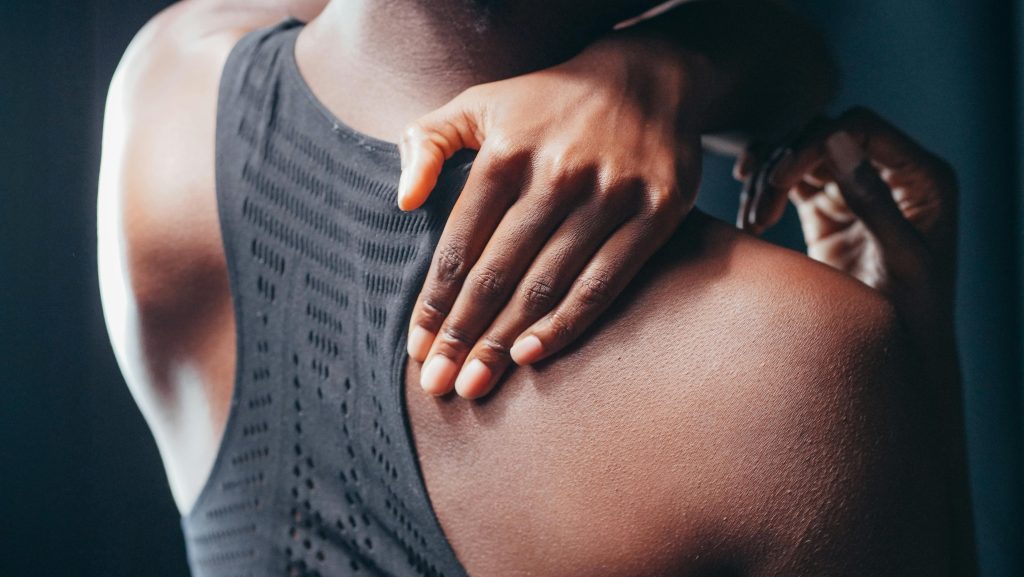
One of the most common yet overlooked effects is muscle pain.
Many women going through perimenopause or menopause notice more stiffness, soreness, and even weakness.
And while it can feel like just “getting older,” much of it comes back to low estrogen.
This guide breaks down why low estrogen leads to muscle pain, what symptoms to watch for, and the best ways to find relief.
GET HELP WITH YOUR MUSCLE PAIN
What Happens to Your Muscles When Estrogen Drops
Estrogen isn’t just about fertility, it plays a big role in musculoskeletal health.
When levels fall, here’s what happens inside your body:
- Collagen production decreases: Collagen keeps muscles, tendons, and joints strong and flexible. Less estrogen means less collagen, which leads to stiffness and reduced support.
- Inflammation rises: Estrogen helps calm inflammation. Without it, your muscles are more likely to ache and swell.
- Circulation slows: Estrogen supports blood flow. Less circulation means slower recovery and less oxygen to muscle tissue.
- Muscle fibers weaken: Studies show low estrogen affects type II muscle fibers (the ones that give you strength and power), leading to fatigue and reduced performance.
Researchers have even coined the term “musculoskeletal syndrome of menopause” to describe how declining estrogen impacts muscle, bone, and joint health all at once.
Estrogen and Collagen: The Hidden Link to Muscle Pain
One of the most important connections between estrogen and muscle pain is collagen.
Collagen gives structure to connective tissue, supports joint cushioning, and keeps muscles resilient.
When estrogen levels fall, collagen production drops sharply.
This not only makes skin less elastic but also contributes to joint and muscle aches during menopause.
Supporting collagen through diet, supplements, or hormone therapy can play a big role in easing pain and stiffness.
Common Symptoms of Low Estrogen Muscle Pain
Every woman experiences low estrogen differently, but common muscle-related symptoms include:
- Muscle stiffness or tightness, especially in the morning
- Generalized aches that feel like you’ve overexerted yourself
- Longer recovery time after workouts
- Muscle weakness and fatigue
- Menopause body aches that mimic arthritis
- Higher risk of injuries like sprains or tendon issues
These signs often get brushed off as “normal aging,” but they’re frequently linked to hormone changes.
Causes and Triggers Beyond Menopause
Menopause is the top reason for low estrogen, but other triggers can also lead to muscle pain:
- Surgical menopause after hysterectomy or oophorectomy
- Early menopause or primary ovarian insufficiency
- Chronic stress, which raises cortisol and disrupts hormone balance
- Overtraining, especially in female athletes who lose regular cycles
- Certain medications or medical conditions that lower estrogen levels
Identifying the cause helps determine the best treatment path.
How to Relieve Low Estrogen Muscle Pain Naturally
There are several ways to ease discomfort and support your body when estrogen levels dip:
Nutrition and Supplements
- Add phytoestrogens like soy, flaxseed, and sesame seeds, which have mild estrogen-like effects.
- Consider collagen supplements and nutrients like vitamin D, calcium, magnesium, and omega-3 fatty acids for joint and muscle health.
- Follow an anti-inflammatory diet with plenty of fruits, vegetables, lean protein, and healthy fats.
Exercise for Muscle Strength and Flexibility
- Strength training preserves muscle mass and combats estrogen deficiency muscle weakness.
- Weight-bearing workouts like walking, light jogging, or resistance exercises help both muscles and bones.
- Stretching, yoga, and Pilates improve mobility and reduce stiffness.
Lifestyle Support
- Stress management techniques like mindfulness or meditation lower cortisol and help balance hormones.
- Prioritize restful sleep to give muscles time to repair.
- Use heat therapy, massage, or physical therapy for targeted relief.
Medical Approaches to Relieving Muscle Pain
For many women, lifestyle changes aren’t enough.
That’s where hormone therapy can make a difference.
- Hormone Replacement Therapy (HRT) or Bioidentical Hormone Replacement Therapy (BHRT) can help restore estrogen, reduce inflammation, and improve muscle and joint function.
- Clinical research shows that women who start HRT within 10 years of menopause often see improvements in musculoskeletal symptoms and bone strength.
- Treatment should always be individualized, since risks and benefits vary based on health history.
At BHRT Delivered, therapy plans are customized so you get the right dose and delivery method for your body.
When to See a Specialist
Muscle pain from low estrogen is common, but it’s important to seek medical guidance if you experience:
- Pain that doesn’t improve with rest or lifestyle changes
- Muscle weakness that affects daily activities
- Frequent injuries or concerns about bone density
- Overlapping symptoms with arthritis, fibromyalgia, or autoimmune conditions
A hormone specialist can help determine whether your pain is tied to estrogen deficiency or something else.
The Bottom Line on Low Estrogen Muscle Pain
Low estrogen muscle pain isn’t just an inconvenience, it’s a signal your body needs support.
From collagen decline to inflammation and muscle weakness, hormone shifts affect your entire musculoskeletal system.
The good news?
Relief is possible.
With the right mix of BHRT, nutrition, exercise, and self-care, you can reduce aches, protect your strength, and improve your quality of life.
And if your symptoms are getting in the way of daily activities, BHRT Delivered can help create a personalized plan with HRT to restore balance and keep you moving.
FAQs: Low Estrogen Muscle Pain
Can low estrogen cause muscle aches?
Yes. When estrogen levels drop, your body produces less collagen, blood flow slows, and inflammation rises. This combination often leads to sore, stiff, or aching muscles.
Can estrogen help with muscle pain?
Restoring estrogen with hormone replacement therapy (HRT or BHRT) can reduce inflammation, improve collagen support, and ease muscle pain for many women.
What does low estrogen feel like after menopause?
Low estrogen after menopause often feels like body aches, joint stiffness, fatigue, hot flashes, mood swings, and sometimes sleep problems alongside muscle weakness.
What does low estrogen do to your muscles?
It makes them less resilient by reducing collagen and type II muscle fibers. That means slower recovery, more soreness, and a higher risk of injury.
Can low estrogen make my legs ache?
Yes. Many women report aching or heavy legs during perimenopause or menopause due to circulation changes, inflammation, and loss of muscle tone linked to low estrogen.
What hormone imbalance causes body aches?
Low estrogen is a common cause, but other imbalances—like low progesterone, low testosterone, or high cortisol—can also contribute to widespread body aches.
What is the best HRT for joint pain?
The “best” option depends on your health history, but bioidentical estrogen therapy often helps reduce joint and muscle pain by restoring balance. A provider can tailor treatment to you.
What is HRT vs TRT?
HRT, or hormone replacement therapy, typically refers to replacing estrogen and progesterone in women. TRT, or testosterone replacement therapy, is focused on restoring testosterone, usually in men but sometimes in women too.