
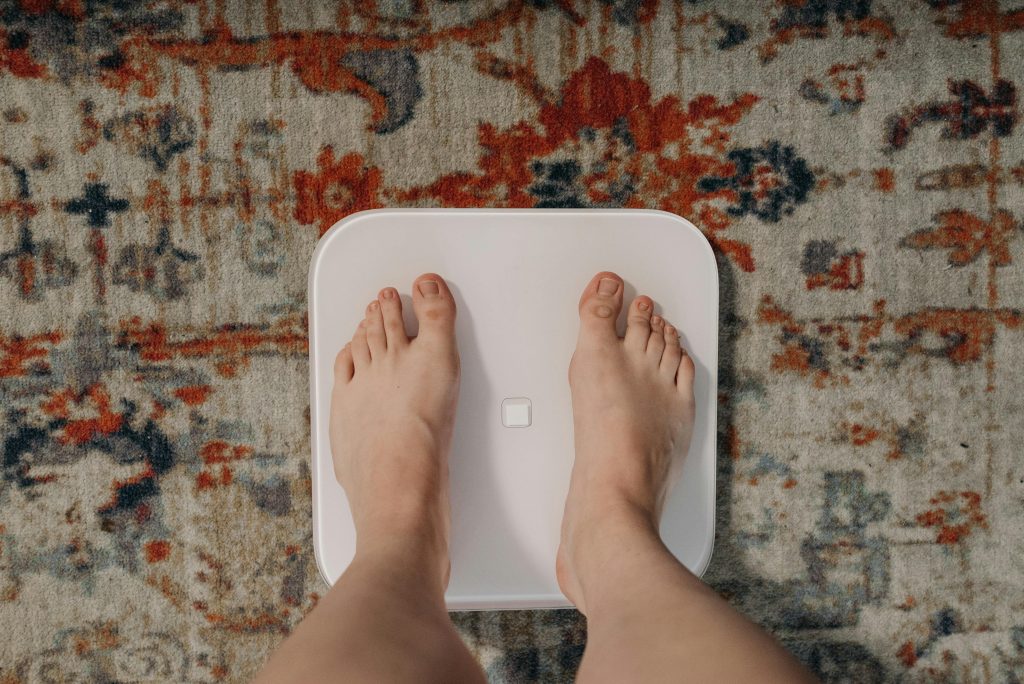
If you’ve started hormone replacement therapy (HRT) and noticed the scale creeping up, you’re not alone.
Many people wonder, “Why am I gaining weight on HRT?”
The reality is that HRT itself doesn’t directly cause weight gain, but it can influence how your body stores fat, retains water, and burns calories.
Combine that with aging, lifestyle shifts, and hormone changes, and you may see extra pounds that feel unexpected.
Does HRT Cause Weight Gain?
A common concern is whether HRT makes you gain weight.
Research shows that HRT doesn’t directly cause fat gain, but it may influence body composition.
Studies show estrogen decline during menopause slows metabolism and shifts fat toward the abdomen.
Progesterone can cause temporary bloating or water retention.
Testosterone changes may affect muscle mass, which influences how efficiently your body burns calories.
So while people often connect HRT and weight gain, the therapy itself isn’t the root cause, it’s how your body responds to hormonal balance, age, and daily habits.
Top Reasons You May Gain Weight on HRT
Here are some of the most likely reasons you may be gaining weight during your HRT treatment:
- Metabolism naturally slows with age.
- Fat redistributes to the belly and hips after menopause.
- Water retention can occur with certain HRT methods.
- Stress, poor sleep, and less physical activity amplify weight changes.
Understanding these reasons can help you manage expectations and take action before small shifts become long-term patterns.
Does Bioidentical HRT Make a Difference?
Yes, the type of HRT matters.
Bioidentical HRT, like the personalized therapy offered by BHRT Delivered, is chemically identical to the hormones your body produces naturally.
Many people find it easier to tolerate, with fewer unwanted side effects.
Oral HRT may affect the liver and metabolism differently than creams, patches, or pellets.
Personalized dosing is also critical, too much or too little hormone can affect energy, mood, and weight.
Menopause vs. HRT Weight Gain
It’s easy to confuse weight gain from menopause with weight gain from HRT.
Menopause alone can lower estrogen, slow metabolism, and lead to fat storage in new areas.
HRT often gets blamed, but in many cases, it’s actually helping offset those natural changes.
By supporting hormone balance, the right HRT plan can make weight management easier, not harder.
How to Manage Weight on HRT
Even if you’ve noticed some changes, weight gain on HRT isn’t inevitable.
Focus on whole-food nutrition with lean proteins, healthy fats, and fiber.
Strength training is essential for preserving muscle, which helps keep metabolism active.
Managing stress prevents cortisol spikes that lead to belly fat, while good sleep supports healthy appetite hormones.
Finally, work closely with your provider to monitor hormone levels and adjust your treatment if side effects appear.
When to Talk to Your Provider
If your weight gain feels sudden, severe, or resistant to lifestyle changes, it may be time to revisit your HRT plan.
An experienced provider can reassess your hormone levels, adjust your dosage, or recommend a different delivery method.
At BHRT Delivered, treatment is tailored to your unique needs and shipped right to your door, making it easier to stay consistent and balanced.
Final Thoughts: Why Am I Gaining Weight on HRT
If you’ve been asking, “Why am I gaining weight on HRT?” know that the therapy itself is rarely to blame.
Weight changes are usually tied to metabolism, aging, and lifestyle shifts.
With the right treatment plan and healthy habits, you can keep your hormones balanced and your weight under control.
BHRT Delivered provides personalized bioidentical hormone therapy shipped straight to your home, helping you feel your best without the guesswork.
FAQs: Why Am I Gaining Weight on HRT
Does HRT make you gain weight?
HRT itself doesn’t directly cause fat gain, but it can influence water retention, body composition, and how your metabolism works. Many people confuse these changes with true weight gain.
How do I stop weight gain on HRT?
The best way to prevent weight gain is by focusing on healthy nutrition, regular strength training, stress management, and working with your provider to make sure your hormone levels are balanced.
Is weight gain from HRT permanent?
No, weight gain linked to HRT is usually temporary. Once your hormones are balanced and lifestyle habits are aligned, many people notice that their weight returns to a healthy range.
Does bioidentical HRT cause weight gain?
Bioidentical HRT is often easier for the body to tolerate, but if the dosage isn’t personalized, you may still experience weight changes. The key is customized care and regular monitoring.
Can you lose weight while on HRT?
Yes, many people find that once their hormones are in balance with HRT, it becomes easier to lose weight and keep it off, especially when paired with healthy habits.
Will I lose weight if I stop HRT?
Stopping HRT does not guarantee weight loss. In fact, hormone decline can make it harder to manage weight. It’s better to work with your provider to adjust your plan rather than stopping abruptly.
What is HRT vs TRT?
HRT, or hormone replacement therapy, is often used to balance estrogen, progesterone, and sometimes testosterone, typically in women during or after menopause. TRT, or testosterone replacement therapy, focuses specifically on restoring testosterone levels, usually in men with low testosterone.