
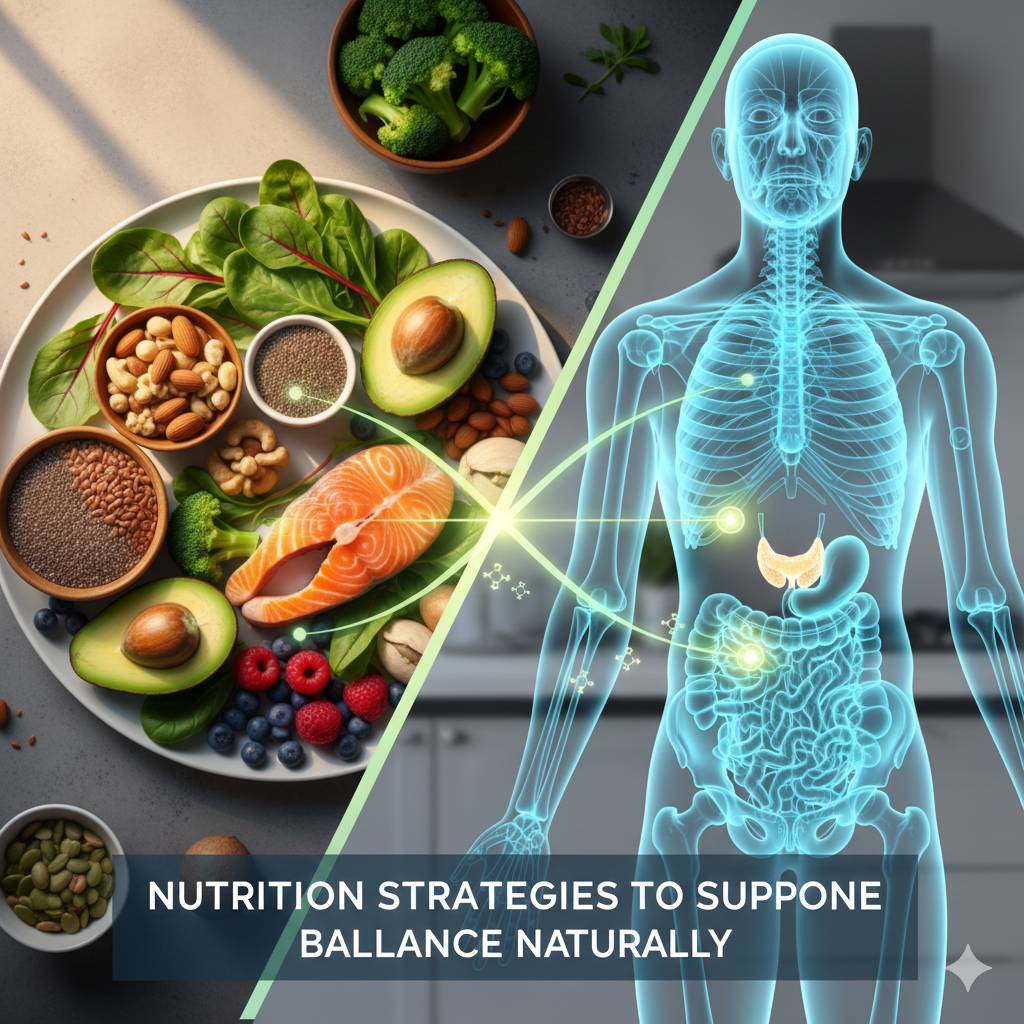
Hormone balance is crucial for maintaining overall health and well-being. At BHRT Delivered, we understand that achieving optimal hormone health is not just about treatments; it’s about a holistic approach that includes proper nutrition. Whether you’re experiencing fatigue, mood swings, or other symptoms of hormone imbalance, the right dietary choices can make a significant difference.
Understanding Hormone Balance
Hormones are chemical messengers that play a vital role in regulating various bodily functions, including metabolism, mood, and reproductive health. When hormones are out of balance, it can lead to a range of health issues. Factors like stress, poor diet, and lack of exercise can disrupt this delicate balance. Fortunately, nutrition can be a powerful tool in supporting hormone health naturally.
Key Nutrients for Hormone Health
1. Healthy Fats
Healthy fats are essential for hormone production. They provide the building blocks for hormone synthesis and help maintain cell membrane fluidity. Incorporate sources of healthy fats such as:
- Avocados: Rich in monounsaturated fats, avocados support hormone production and overall health.
- Nuts and Seeds: Almonds, walnuts, flaxseeds, and chia seeds are excellent sources of omega-3 fatty acids, which are anti-inflammatory and beneficial for hormone balance.
- Olive Oil: Extra virgin olive oil is a great source of monounsaturated fats and antioxidants.
2. Protein
Protein is crucial for hormone production and regulation. It provides the amino acids necessary for the synthesis of hormones like insulin and growth hormone. Include high-quality protein sources such as:
- Lean Meats: Chicken, turkey, and lean cuts of beef or pork.
- Fish: Salmon, mackerel, and sardines are rich in omega-3 fatty acids and high-quality protein.
- Legumes: Beans, lentils, and chickpeas are excellent plant-based protein sources.
3. Fiber
Fiber plays a significant role in hormone balance by aiding in the detoxification of excess hormones. It also helps regulate blood sugar levels, which is crucial for hormonal health. High-fiber foods include:
- Vegetables: Broccoli, Brussels sprouts, and leafy greens like spinach and kale.
- Fruits: Berries, apples, and pears.
- Whole Grains: Oats, quinoa, and brown rice.
4. Micronutrients
Certain vitamins and minerals are essential for hormone production and regulation. Ensure you’re getting enough of the following:
- Vitamin D: Supports the function of the endocrine system. Sources include fatty fish, fortified dairy products, and sunlight exposure.
- Magnesium: Crucial for the regulation of the stress hormone cortisol. Found in leafy greens, nuts, seeds, and whole grains.
- Zinc: Important for the production of sex hormones. Sources include shellfish, meat, and legumes.
Foods to Avoid
Just as certain foods can support hormone health, others can disrupt it. Consider limiting or avoiding the following:
- Processed Foods: High in unhealthy fats, sugars, and additives that can interfere with hormone balance.
- Sugary Beverages: Can cause blood sugar spikes and contribute to insulin resistance.
- Alcohol: Excessive consumption can disrupt the endocrine system and lead to hormone imbalances.
Lifestyle Tips for Hormone Balance
1. Stay Hydrated
Adequate hydration is essential for overall health and can support hormone function. Aim to drink at least eight glasses of water per day. Herbal teas and water-rich foods like cucumbers and watermelon can also contribute to your hydration needs.
2. Manage Stress
Chronic stress can wreak havoc on your hormones. Practices such as meditation, yoga, and deep-breathing exercises can help manage stress levels. Additionally, ensure you’re getting enough sleep, as poor sleep can negatively impact hormone balance.
3. Exercise Regularly
Regular physical activity can help regulate hormones like insulin and cortisol. Aim for a mix of cardiovascular exercise, strength training, and flexibility exercises for optimal benefits.
Personalized Nutrition Plans
At BHRT Delivered, we believe in the power of personalized care. Each individual’s hormone needs are unique, and so should be their nutrition plan. Our team of experts can help you develop a tailored nutrition strategy that aligns with your specific health profile and hormonal needs.
Working with a Nutritionist
Consulting with a nutritionist can provide valuable insights into your dietary needs. A nutritionist can help identify any nutritional deficiencies and recommend foods and supplements to support hormone balance. They can also assist in creating meal plans that are both nutritious and enjoyable.
Final Thoughts
Achieving and maintaining hormone balance is a multifaceted process that involves more than just medical treatments. Proper nutrition plays a vital role in supporting your hormonal health. By incorporating healthy fats, high-quality protein, fiber, and essential micronutrients into your diet, you can help your body maintain optimal hormone levels naturally. Additionally, adopting a healthy lifestyle that includes regular exercise, stress management, and adequate hydration can further support your hormonal well-being.
At BHRT Delivered, we are committed to providing personalized, concierge-style hormone therapy tailored to your unique health profile. By integrating these nutritional strategies into your daily routine, you can take proactive steps towards reclaiming your vitality and achieving optimal health outcomes.