
Introduction
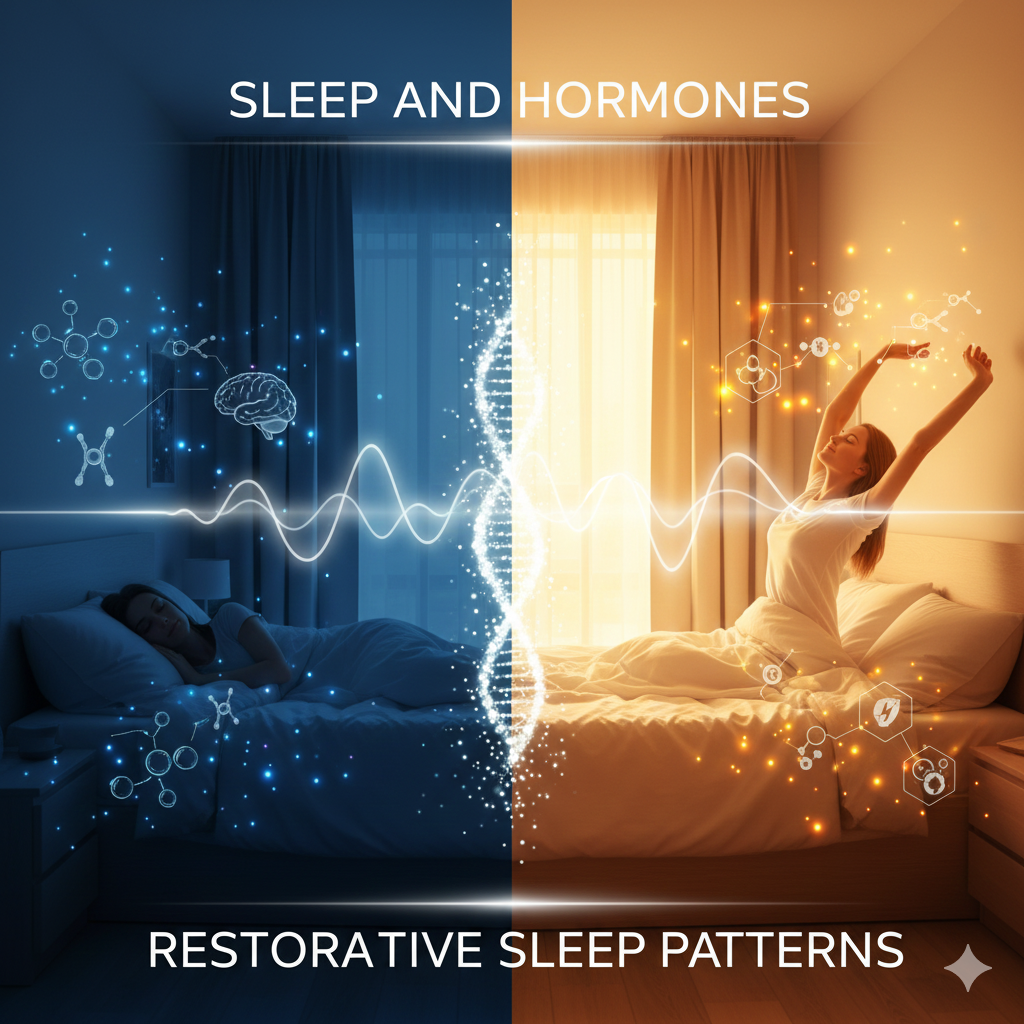
Sleep is the cornerstone of health and wellness, yet many people struggle to achieve the restorative sleep they need. At BHRT Delivered, we understand that achieving optimal health is a holistic process that includes not just hormone balance but also quality sleep. This guide will explore the intricate relationship between sleep and hormones and provide actionable tips for achieving restorative sleep patterns.
Why Sleep Matters
Sleep is not just a period of rest; it is a vital process that allows the body to repair itself, regulate hormones, and maintain cognitive function. Quality sleep impacts everything from mood and energy levels to immune function and weight management.
The Sleep Cycle
Understanding the sleep cycle is crucial for appreciating how sleep affects overall health. The sleep cycle consists of four stages:
- NREM Stage 1: Light sleep, where you drift in and out of sleep.
- NREM Stage 2: Slightly deeper sleep, characterized by slower brain waves.
- NREM Stage 3: Deep sleep, crucial for physical repair and growth.
- REM Sleep: Rapid Eye Movement sleep, essential for cognitive functions like memory and learning.
Each of these stages plays a unique role in maintaining your health, and disruptions in any stage can affect your overall well-being.
The Hormone-Sleep Connection
Hormones are chemical messengers that regulate various functions in the body, including sleep. Here are some key hormones that influence sleep:
Melatonin
Melatonin is often referred to as the “sleep hormone.” Produced by the pineal gland, melatonin levels rise in the evening, signaling to your body that it’s time to sleep. Factors like exposure to light, especially blue light from screens, can disrupt melatonin production.
Cortisol
Cortisol is known as the “stress hormone.” It follows a diurnal rhythm, peaking in the morning to help you wake up and gradually declining throughout the day. Elevated cortisol levels in the evening can interfere with your ability to fall asleep.
Estrogen and Progesterone
For women, estrogen and progesterone levels fluctuate throughout the menstrual cycle and can significantly impact sleep. Low estrogen levels, for example, are associated with night sweats and insomnia, while progesterone has a calming effect that promotes sleep.
Testosterone
In men, testosterone levels peak during sleep, particularly during REM sleep. Low testosterone levels can lead to disrupted sleep patterns and reduced sleep quality.
Common Sleep Disruptors
Several factors can disrupt your sleep and, consequently, your hormonal balance:
- Stress: Chronic stress elevates cortisol levels, making it difficult to fall asleep and stay asleep.
- Diet: Consuming caffeine, alcohol, or heavy meals close to bedtime can interfere with sleep.
- Lifestyle: Irregular sleep schedules and lack of physical activity can disrupt your circadian rhythm.
- Environment: Noise, light, and an uncomfortable sleep environment can affect sleep quality.
Tips for Restorative Sleep
Achieving restorative sleep is a multifaceted process that involves lifestyle changes, environmental adjustments, and in some cases, medical intervention. Here are some actionable tips:
Create a Sleep-Friendly Environment
- Darkness: Use blackout curtains to eliminate light.
- Quiet: Consider using white noise machines or earplugs.
- Comfort: Invest in a good mattress and pillows.
Establish a Routine
- Consistent Schedule: Go to bed and wake up at the same time every day, even on weekends.
- Wind Down: Develop a pre-sleep routine that includes activities like reading or taking a warm bath.
Manage Stress
- Mindfulness: Practices like meditation and deep breathing can lower cortisol levels.
- Exercise: Regular physical activity can improve sleep quality but avoid vigorous exercise close to bedtime.
Monitor Your Diet
- Limit Caffeine and Alcohol: Avoid these substances at least 4-6 hours before bedtime.
- Balanced Diet: A diet rich in fruits, vegetables, and lean proteins can support hormonal balance.
Consider Hormone Therapy
For those struggling with hormonal imbalances that affect sleep, hormone therapy may be an effective solution. At BHRT Delivered, we offer personalized, concierge-style hormone therapy tailored to your unique health profile. Our meticulous, individualized treatment plans aim to help you achieve optimal health outcomes, including restorative sleep.
When to Seek Professional Help
If you’ve tried lifestyle changes and still struggle with sleep, it may be time to seek professional help. Conditions like sleep apnea, chronic insomnia, and hormonal imbalances often require medical intervention. At BHRT Delivered, our team of experts can evaluate your symptoms and develop a customized treatment plan to address your specific needs.
Conclusion
Restorative sleep is essential for maintaining hormonal balance and overall health. Understanding the intricate relationship between sleep and hormones can empower you to make informed decisions about your well-being. By implementing the tips outlined in this guide and considering personalized hormone therapy, you can take proactive steps towards achieving the restorative sleep your body needs.
For those seeking a personalized, concierge-style approach to hormone therapy, BHRT Delivered is here to support you on your journey to optimal health and vitality.